

Uganda Gorilla Trekking: Complete Booking Guide for First-Timers
This is the part most first-timers underestimate. Bwindi has roughly 20 gorilla families available for trekking, each visited by a maximum of 8 people per day. That's a hard daily cap across the entire park.
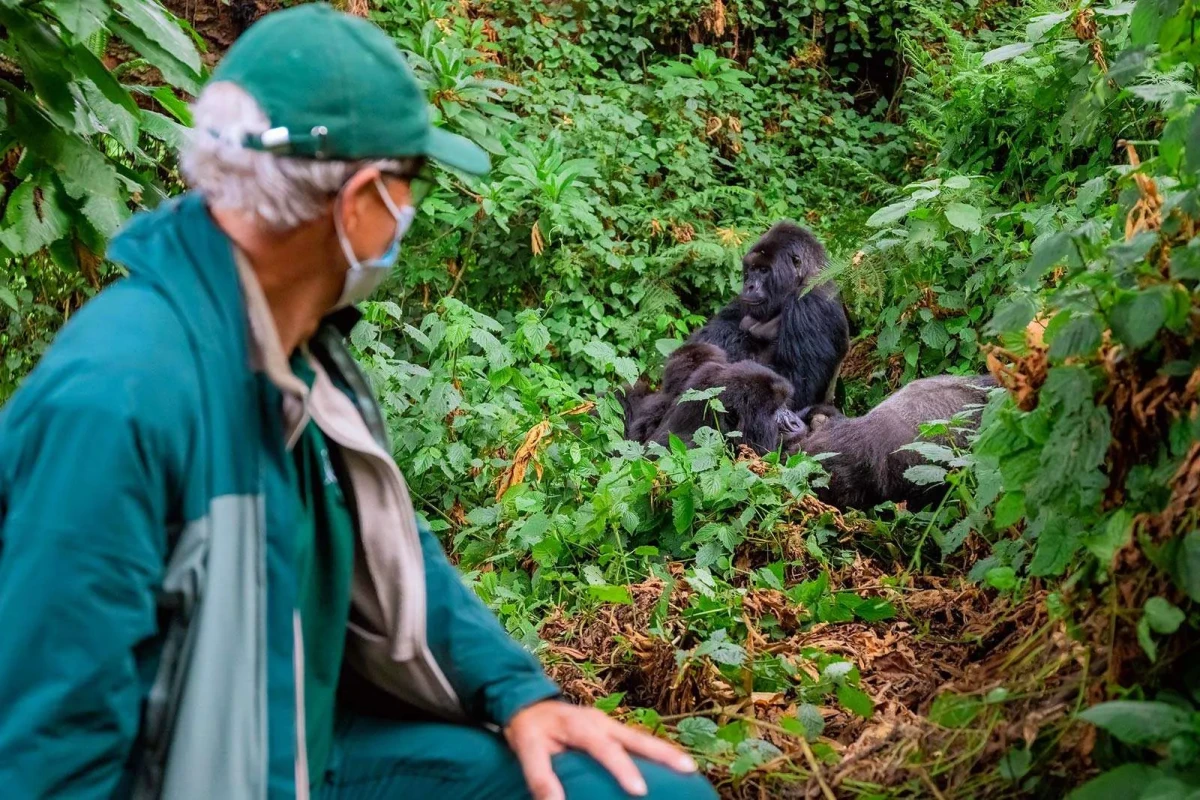
Gorilla trekking is the single biggest reason most international visitors choose Uganda over other African safari destinations — it's one of only three countries in the world where you can trek to see mountain gorillas in the wild, alongside Rwanda and the Democratic Republic of Congo. But the booking process has real deadlines, real permit shortages, and real decisions to make before you go. This guide walks through all of it.
Quick Answer
- Permit cost: $800 per person (foreign non-resident rate, 2026)
- Where to trek: Bwindi Impenetrable Forest (most common) or Mgahinga Gorilla National Park
- When to book: As early as possible — ideally 3–6 months ahead for peak season
- Best months: June–September and December–February (dry seasons)
- Physical difficulty: Moderate to strenuous — steep, muddy, forested terrain
Bwindi vs. Mgahinga: Which to Choose
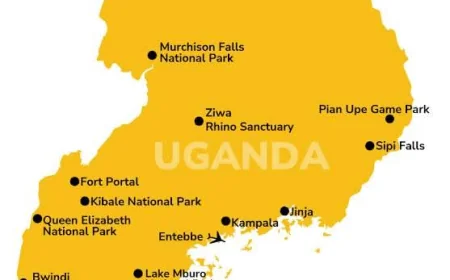
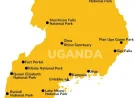
Bwindi Impenetrable Forest is where the vast majority of trekkers go. It has four trekking sectors (Buhoma, Ruhija, Rushaga, Nkuringo), around 20 habituated gorilla families, and the highest chance of an available permit on your preferred date simply because there's more capacity.
Mgahinga Gorilla National Park is smaller, with typically just one habituated family available for trekking. It sits in Uganda's southwest corner near the Rwanda and DRC borders, in the Virunga volcanoes. It's a good option if Bwindi permits are sold out for your dates, or if you're combining Uganda with a Rwanda leg and want the Virunga scenery.
For most first-timers, Bwindi is the simpler, more reliable choice — this guide focuses primarily on it.
How to Book a Gorilla Permit
- Decide your dates and sector. Permits are sector-specific and date-specific, not general admission — you're booked into a specific gorilla family group on a specific day.
- Book through a licensed tour operator or directly via the Uganda Wildlife Authority (UWA). Most first-time visitors go through a tour operator, since they bundle the permit with transport, accommodation, and a driver-guide — and can navigate availability faster than an individual booking directly.
- Pay in full at booking. Unlike many travel bookings, gorilla permits typically require full payment upfront to secure the slot, not just a deposit.
- Get written confirmation with your permit number. Bring a printed or digital copy with you — you'll need to show ID matching the name on the permit at check-in.
When to Book
This is the part most first-timers underestimate. Bwindi has roughly 20 gorilla families available for trekking, each visited by a maximum of 8 people per day. That's a hard daily cap across the entire park.
- Peak season (June–September, December–February): Book 3–6 months ahead minimum. Popular sectors and December/January dates can sell out even further in advance.
- Shoulder/low season (March–May, October–November): More flexibility, but don't wait until the last month — permits still sell out on popular dates, and this is also when lodge rates tend to be lower, drawing budget-conscious trekkers.
If your travel dates are fixed (e.g., tied to specific flight availability or a limited vacation window), book the permit before anything else in your itinerary — everything else can be arranged around a confirmed permit, but a permit can't be arranged around everything else.
What Trekking Day Actually Looks Like
- 6:30–7:30am: Wake, light breakfast, transfer to park headquarters
- 7:30–8:00am: Briefing — you're grouped with up to 7 other trekkers and assigned a specific gorilla family based on fitness level and preference
- 8:00am onward: Trek begins, guided by rangers and trackers who already have a rough idea of where the family was last spotted
- Duration: Can range from 1 hour to 6+ hours each way, depending entirely on where the gorillas have moved since the last sighting — this is genuinely unpredictable
- 1 hour with the gorillas once found — no more, regardless of how far you walked to get there
- Return trek back to the trailhead, typically arriving back at your lodge mid-to-late afternoon
Porters are available to hire at the trailhead for a modest fee (typically $15–$20) and are genuinely worth it even for fit trekkers — they carry your daypack, help on steep or muddy sections, and the fee goes directly to local community members.
Physical Requirements and Fitness Tips
Trekking terrain is steep, often muddy, and unmarked — you're walking through actual forest, not a maintained trail. That said, treks are graded by difficulty and rangers do consider fitness level when assigning gorilla families, generally placing less mobile trekkers with families known to be closer to the trailhead.
- A moderate baseline fitness level (comfortable walking several hours on uneven ground) is sufficient for most trekkers
- Hiking poles are commonly available to rent or bring
- Trekkers with mobility concerns should mention this at booking — some sectors and families are better suited to shorter treks
- Age minimum is 15 years old, set by UWA policy
What to Pack for Trekking Day
- Waterproof hiking boots with ankle support — non-negotiable, terrain is genuinely muddy
- Long sleeves and trousers in neutral colors, tucked into socks/boots (protection from stinging nettles and insects)
- Rain jacket, even in dry season — forest weather is unpredictable
- Gardening gloves — useful for gripping vegetation on steep sections
- 2+ liters of water and light snacks
- Insect repellent
- A small daypack (or hire a porter to carry it)
Costs Beyond the Permit
The $800 permit is fixed, but your total trekking-day cost includes a few extras worth budgeting for:
- Porter fee: $15–$20 (optional but recommended)
- Ranger/guide tip: Typically $10–$20 per person, expected but not mandatory
- Accommodation near the park: Ranges from $30/night budget guesthouses to $600+/night luxury lodges — see our full Uganda safari cost breakdown for tier-by-tier detail
- Transport to Bwindi: Usually bundled into a private driver-guide package if you're combining trekking with other parks
Common Mistakes to Avoid
- Booking accommodation before confirming the permit. Your lodge choice depends on which sector you're assigned to — book the permit first.
- Underestimating the drive to Bwindi. It's a remote, mountainous region — expect a full day of driving from Kampala or Entebbe, or from other parks like Queen Elizabeth.
- Skipping travel insurance. Given the physical demands and remote location, insurance that covers medical evacuation is genuinely important here, not just a formality.
- Assuming permits are refundable. They generally aren't, except in specific circumstances (illness with a doctor's note, in some cases) — confirm your operator's cancellation policy before paying.
Bottom Line
Gorilla trekking is the most logistically demanding part of planning a Uganda trip, but also the most rewarding. The key is booking the permit early and letting the rest of your itinerary build around it — not the other way around. For most first-timers, Bwindi through a licensed tour operator is the simplest, most reliable path to a confirmed trekking day.
[Ready to plan the rest of your trip? See our 7-day Uganda itinerary here / Compare flights to Entebbe here / Browse lodges near Bwindi here]
Related reading: Uganda Safari Cost: Realistic Budget Breakdown · 7-Day Uganda Itinerary · Staying at Gorilla Safari Lodge
What's Your Reaction?
 Like
0
Like
0
 Dislike
0
Dislike
0
 Love
0
Love
0
 Funny
0
Funny
0
 Wow
0
Wow
0
 Sad
0
Sad
0
 Angry
0
Angry
0
Thanks for checking out HERE IN UGANDA! I hope our content sparks your inner explorer and makes you a smarter Ugandan traveller! To learn about our story, check out the "About" page. For business inquiries and potential collaboration opportunities, please refer to "Write with Us" and "Contact" pages, or write to me at [email protected].





Comments (0)